There is a specific, soul-satisfying sound that defines a perfect batch of Lebanese Arayes: the unmistakable “shatter-crisp” crunch of toasted pita bread giving way to a succulent, spiced meat interior. Often described as the Middle Eastern answer to a burger or a quesadilla, these meat-stuffed pita pockets are a staple of Levantine street food culture. When executed correctly, they represent a masterclass in textural contrast—think golden-brown char marks on the outside and glistening, medium-well kafta on the inside.
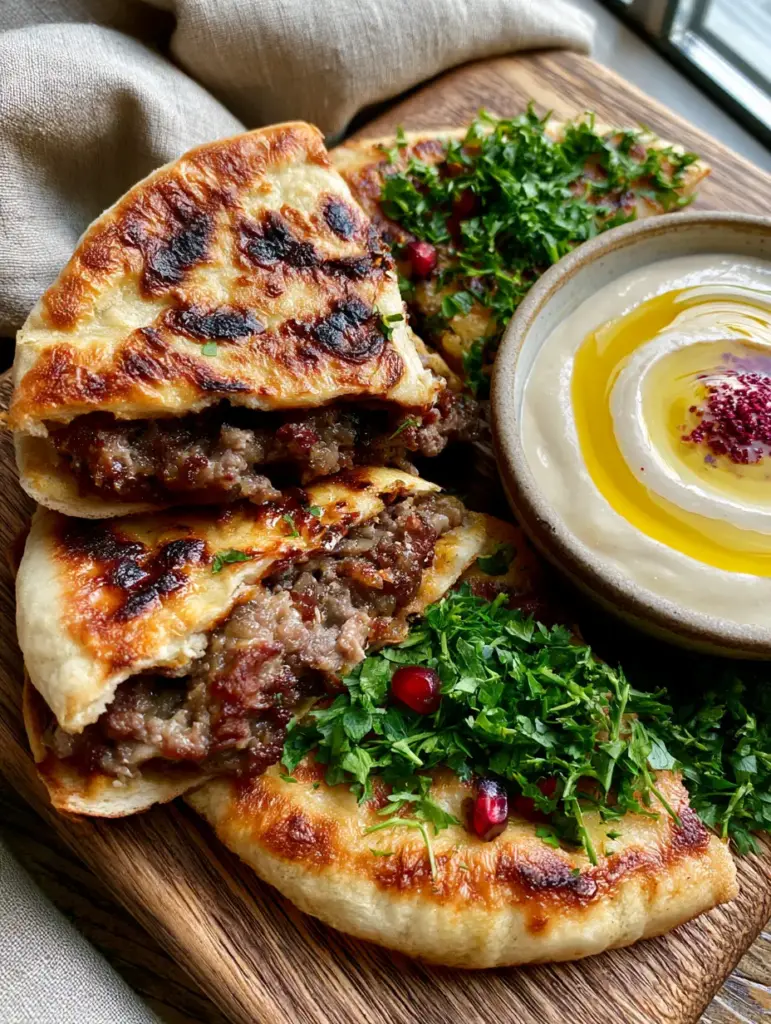
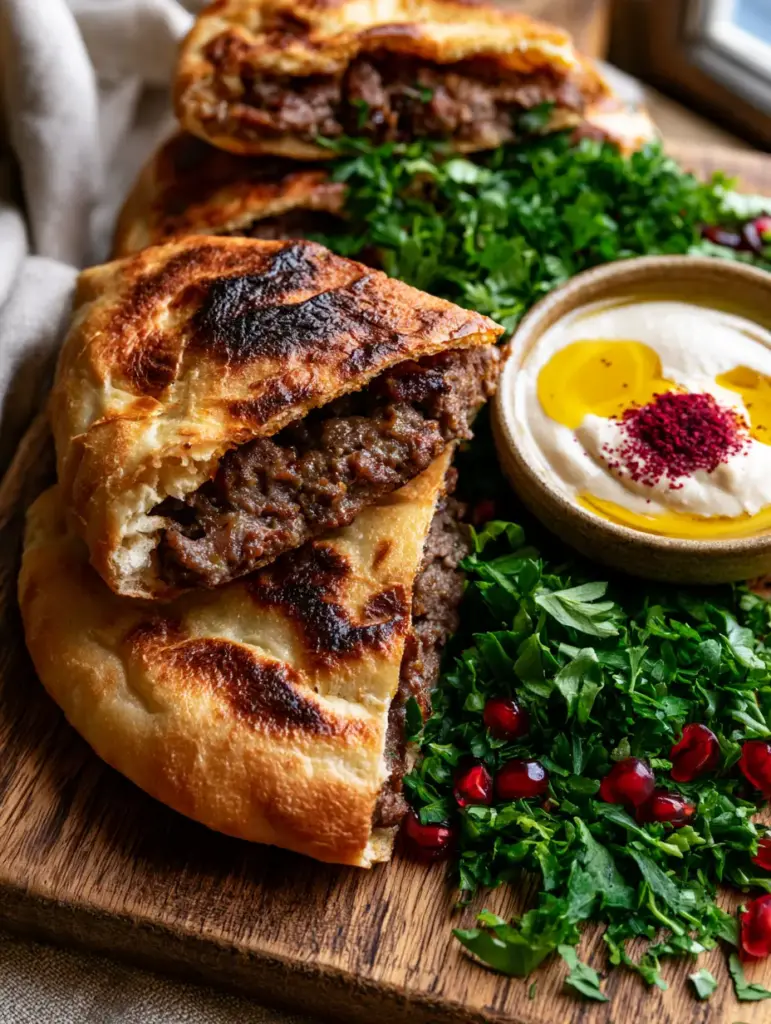
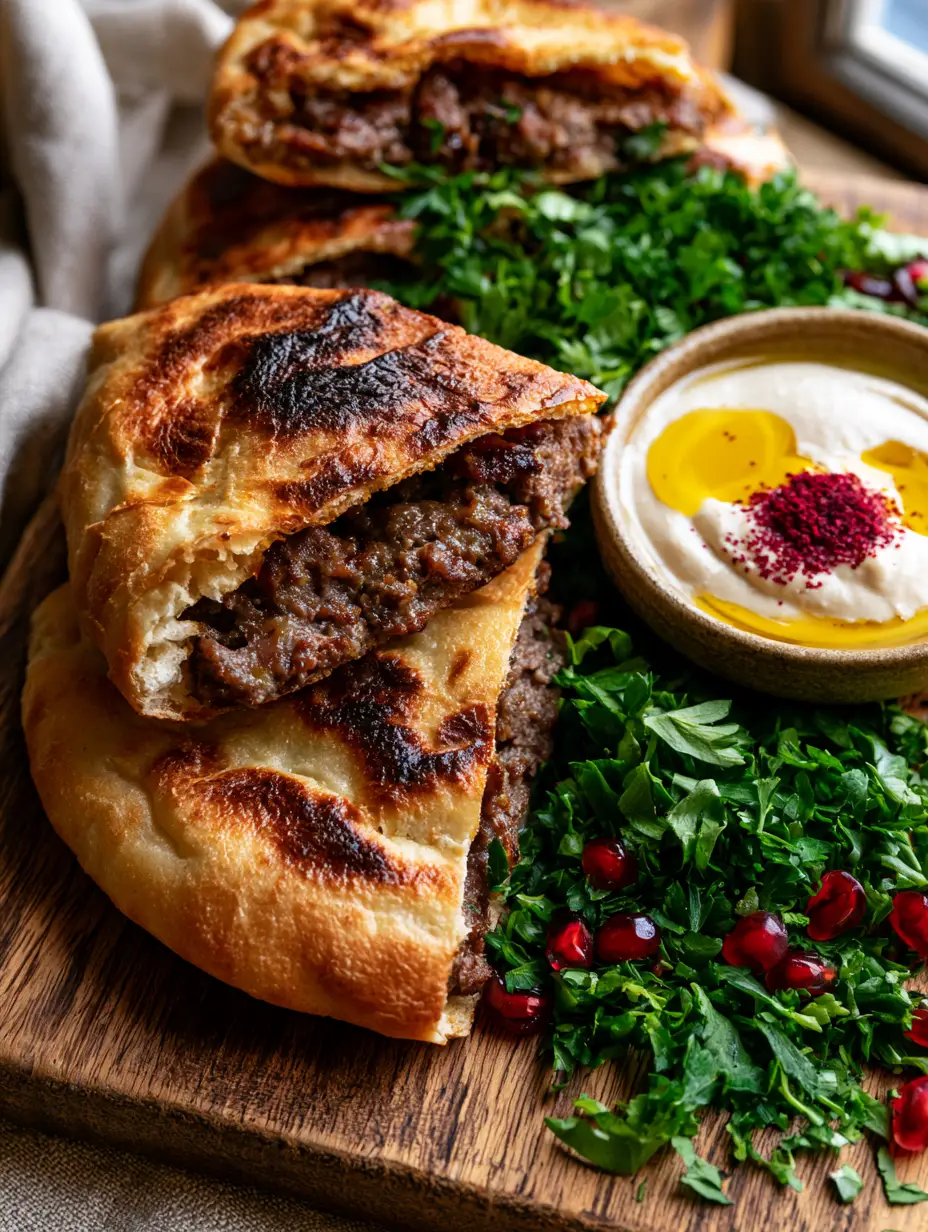
The visual appeal of Lebanese Arayes is just as striking as the flavor profile. Imagine a rustic wooden board stacked with golden pita triangles, their edges slightly blistered from the high heat of an air fryer or grill. Beside them sits a ceramic bowl of thick, creamy garlic tahini sauce, swirled with golden olive oil and a vibrant dusting of red sumac. A scatter of ruby-red pomegranate seeds and fresh flat-leaf parsley provides the final “color pop” that makes this dish a centerpiece for any gathering.
In this guide, we are going to dive deep into the culinary science of achieving that professional food-blog aesthetic right in your own kitchen. Whether you are a fan of quick recipes for busy weeknights or you want to master the art of traditional Lebanese flavors, this recipe provides the blueprint for success. From the fat ratio in your ground beef to the specific technique for emulsifying your tahini sauce, no detail is too small when pursuing perfection.
Why This Shatter-Crisp Lebanese Arayes Recipe Works
- The Perfect Texture Contrast: By brushing the pita with high-quality extra virgin olive oil before cooking, we achieve a glass-like crunch that protects the juicy meat inside.
- Visual Forensics: This recipe is designed to match the high-angle hero shot aesthetic, featuring bright red sumac, vibrant green parsley, and jewel-like pomegranate seeds.
- Scientific Fat Ratios: We utilize a specific blend of ground beef to ensure natural juices glisten within the pita without making the bread soggy.
- Versatile Cooking Methods: While traditionally grilled, we provide instructions for achieving those iconic golden char marks using an air fryer or a heavy cast-iron skillet.
Essential Elements for Authentic Middle Eastern Arayes
Ground Beef (80/20 Blend): To achieve the “glistening with natural juices” look described in our visual blueprint, you need a 20% fat content. 1 lb (450g) of high-quality ground beef provides the structural integrity and moisture required for a medium-well finish.
Thin Pita Bread: Use 4 large (approx. 20cm) fresh pita rounds. The bread must be thin enough to crisp up quickly but sturdy enough to hold the weight of the raw meat as it cooks and releases juices.
Grated Onion and Garlic: 1 small (100g) yellow onion and 3 cloves (15g) of garlic are foundational. The onion must be grated and squeezed dry to prevent the pita from becoming waterlogged during the searing process.
Aromatic Kafta Spices: A blend of 1 tsp (2g) ground allspice, 1/2 tsp (1g) cinnamon, and 1/2 tsp (1g) cumin creates the classic Lebanese kafta profile. These spices bloom in the rendered fat, creating a deep, earthy aroma that signals the dish is ready.
Fresh Flat-Leaf Parsley: 1/2 cup (15g) of finely chopped parsley is folded into the meat and used as a garnish. It provides the “vibrant green” contrast essential for the final presentation.
Extra Virgin Olive Oil: Approximately 1/4 cup (60ml) is needed for brushing the exterior. This is the secret to the “perfectly golden-brown” and “shatter-crisp” exterior seen in professional food photography.
Sumac and Pomegranate Seeds: 1 tsp (3g) of bright red sumac and 2 tbsp (30g) of pomegranate seeds are the non-negotiable garnishes. They provide the acidity and “color pop” that balances the richness of the meat.
Tahini and Lemon: For the sauce, 1/2 cup (120ml) of premium tahini and 2 tbsp (30ml) of fresh lemon juice create a thick, creamy base. This acts as the cooling counterpoint to the charred bread.
The Tools for Achieving Professional Results
To recreate the “rustic wooden board” aesthetic and those perfect char marks, you will need a few specific kitchen tools. A high-quality air fryer is the modern secret to achieving even browning without a charcoal grill. If you prefer the stovetop, a heavy-duty cast iron pan or a stainless steel pot for side preparations will serve you well.
A sharp chef’s knife is required for the “freshly chopped” parsley and for slicing the pita into clean, sharp triangles. You will also need a pastry brush to ensure an even coating of olive oil, which is the key to avoiding “dull” or dry spots on your bread. Finally, a small ceramic bowl is ideal for serving the tahini sauce, allowing you to create that “swirl of golden olive oil” seen in our hero shot.
Crafting the Perfect Crispy-Juicy Balance
Preparing the Kafta Filling
Begin by grating your onion into a fine mesh sieve. Use your hands to squeeze out every drop of excess moisture; this is the most critical step for preventing soggy Arayes. In a large mixing bowl, combine the ground beef, squeezed onion, minced garlic, chopped parsley, allspice, cinnamon, cumin, salt, and black pepper.
Mix the ingredients by hand until just combined. Avoid overworking the meat, as this can lead to a dense, rubbery texture. You want the filling to remain tender enough to release those “natural juices” during the cooking process. Divide the meat into four equal portions.
Stuffing the Pita Pockets
Carefully cut your pita rounds into halves or quarters, depending on your preferred serving size. Gently open the pockets and spread a thin, even layer of the raw meat mixture inside. Aim for a thickness of about 1/2 inch (1.25cm) to ensure the meat reaches a safe medium-well temperature at the same time the bread becomes shatter-crisp.
Press the pita down firmly to ensure the meat adheres to the bread. This contact is vital for heat transfer. Once stuffed, use a pastry brush to liberally coat both sides of the pita with extra virgin olive oil. Pay special attention to the edges, as these will provide the most satisfying crunch.
Cooking to Golden-Brown Perfection
If using an air fryer, preheat to 375°F (190°C). Arrange the pita triangles in a single layer, ensuring they do not overlap. Air fry for 10-12 minutes, flipping halfway through. Look for the “slight charred air-fryer marks” and a deep golden hue. The sound of the bread should be hollow and crisp when tapped with a fork.
For the stovetop method, heat a cast iron skillet over medium heat. Place the Arayes in the pan and weight them down with a heavy press or another skillet. Sear for 4-5 minutes per side until the bread is blistered and the meat is cooked through. The meat should be “medium-well,” showing a slight hint of pinkness in the center but fully set and glistening.
Whisking the Creamy Garlic Tahini Sauce
In a small ceramic bowl, whisk together the tahini, lemon juice, minced garlic, and a pinch of salt. Gradually add ice-cold water, one tablespoon at a time, whisking vigorously until the sauce transforms from a pasty consistency to a “thick, creamy” emulsion. This sauce should be pale, almost white, providing a stark visual contrast to the charred bread.
Pro-Grade Techniques for Shatter-Crisp Results
- The Ice Water Trick: When making the tahini sauce, use ice-cold water. The temperature helps the fats in the tahini emulsify into a fluffier, creamier texture.
- Temperature Control: If the pita is browning too fast before the meat is cooked, lower the heat. You want the fat from the beef to render slightly into the bread, acting as a “confit” for the interior of the pita.
- The Resting Phase: Let the Lebanese Arayes rest on a wire rack for 2 minutes after cooking. Placing them directly on a plate can trap steam, which will ruin the “shatter-crisp” exterior.
- Freshness Factor: Always chop your parsley just before serving. Pre-chopped herbs lose their “vibrant green” color and essential oils, which are necessary for the authentic flavor of the dish.
Maintaining the Crunch: Storage and Reheating
Lebanese Arayes are best enjoyed immediately to appreciate the contrast in textures. However, if you have leftovers, store them in an airtight container in the refrigerator for up to 3 days. To maintain the crunch, avoid the microwave at all costs; it will turn the pita chewy and tough.
To reheat, place the triangles back in the air fryer at 350°F (175°C) for 3-4 minutes, or in a dry skillet over medium heat until the exterior crisps back up. If you are a fan of prepping ahead, you can assemble the meat-stuffed pitas and freeze them raw, separated by parchment paper, for up to a month. Cook them directly from frozen, adding an extra 5 minutes to the cooking time.
What to Serve With Lebanese Arayes
To round out a full Middle Eastern spread, consider pairing these crispy meat pockets with light, refreshing sides. A bowl of fresh pico de gallo might seem non-traditional, but the tomato-acid profile perfectly mimics the flavors of a Lebanese Salata. For a heartier meal, serve alongside a vegan Moroccan stew to provide a variety of textures and plant-based proteins.
If you enjoy the concept of stuffed breads and meats, you might also find inspiration in our stuffed peppers recipe, which utilizes a similar spice-meat ratio. For a summer gathering, these Arayes pair beautifully with summer pasta recipes that feature lemon and herb-forward vinaigrettes.
Frequently Asked Questions
Yes, bake them at 400°F (200°C) on a wire rack set over a baking sheet. This allows air to circulate, ensuring both sides get crispy without frying in their own juices.
Yes! Ground lamb is traditional and provides a richer flavor. Ensure it has a similar 80/20 fat-to-lean ratio to maintain the juiciness of the filling.
The key is squeezing all excess moisture out of the grated onions and cooking at a high enough temperature (375°F) to crisp the bread immediately as the fat renders.
While not strictly required for the meat, sumac provides a vital lemony tartness that cuts through the richness of the beef and tahini. It is highly recommended for authenticity.
A thin, single-layer or standard Lebanese pita works best. Thick, Greek-style pocketless pita is too dense and won’t achieve the signature shatter-crisp texture.
The Master Recipe for Lebanese Arayes
Lebanese Arayes: The Ultimate Crispy Meat-Stuffed Pita Recipe
Ingredients
Equipment
Method
- Mix ground beef, squeezed onion, garlic, parsley, and spices until combined.
- Spread a thin layer of meat inside the pita pockets and brush the exterior with olive oil.
- Air fry at 375°F (190°C) for 10-12 minutes or sear in a skillet until golden and crisp.
- Whisk tahini with lemon and ice water; top Arayes with sumac, parsley, and pomegranate seeds.
Notes
Use 80/20 beef for the best juice release.
Conclusion: Bringing the Lebanese Street Food Experience Home
Mastering Lebanese Arayes is about more than just following a recipe; it is about understanding the sensory cues of the kitchen. From the smell of the warm allspice to the sight of the glistening juices against the charred bread, this dish is a celebration of simple ingredients treated with expert technique. It’s a perfect addition to your rotation of quick recipes, offering a restaurant-quality experience in under thirty minutes.
We invite you to share your results and tag us in your culinary creations! If you found this guide helpful, be sure to follow us on Pinterest for more visually-driven recipe blueprints and expert cooking tips. Don’t forget to leave a comment below with your favorite way to garnish your Arayes!