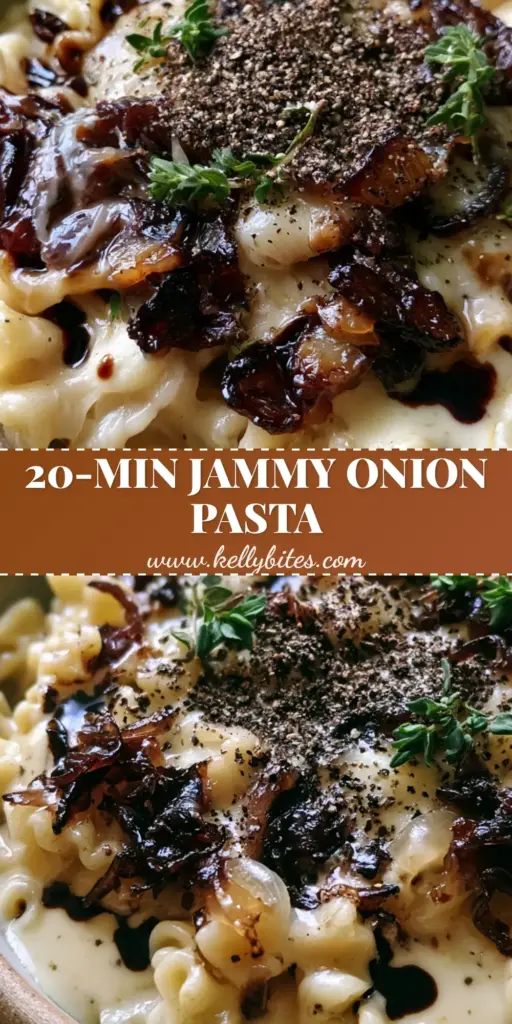
The first time you see a bowl of Caramelized Onion Pasta, you know you are in for a sensory experience that transcends a typical weeknight dinner. Imagine glossy, jammy ribbons of pasta coated in a sauce so velvety it looks like liquid silk. This isn’t just a meal; it’s a masterclass in the Maillard reaction, bringing the deep, soul-warming flavors of French onion soup into a luxurious pasta format.
The visual appeal is striking: dark mahogany balsamic-glazed onion slivers contrast against a thick, cream-colored sauce. We use wavy mafaldine pasta ribbons, which act as the perfect structural vessel to catch every drop of sauce and every bit of translucent, melted Gruyère cheese. This recipe is designed to look as good as it tastes, mirroring the rustic elegance of a handheld smartphone photo taken in soft, natural daylight.
Whether you are looking for a sophisticated date-night dish or the ultimate comfort food for a chilly evening, this Caramelized Onion Pasta delivers. It’s a symphony of textures—from the al dente bite of the pasta to the “cheese pulls” that stretch with every forkful. Let’s dive into the culinary science of how to achieve this mahogany-hued masterpiece in your own kitchen.
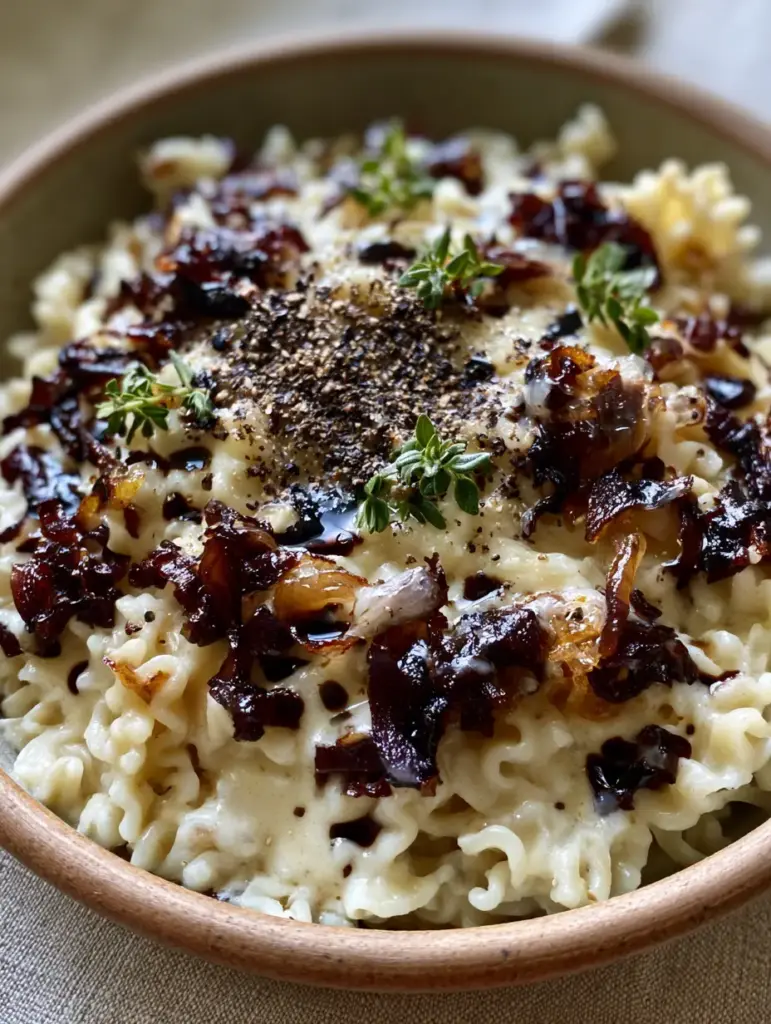
Why This Caramelized Onion Pasta Will Become Your New Obsession
- Unmatched Flavor Depth: The 45-minute caramelization process transforms humble yellow onions into “culinary gold,” offering a jammy sweetness balanced by tangy balsamic.
- Structural Sauce Architecture: The wavy edges of the mafaldine pasta are specifically chosen to trap the velvety cream sauce and streaks of Gruyère.
- Visual Contrast: The combination of dark mahogany onions, fresh green thyme clusters, and a heavy crack of coarse black pepper creates a restaurant-quality presentation.
- Umami Bomb: Between the aged Gruyère and the balsamic reduction, every bite is packed with savory complexity that lingers on the palate.
The Anatomy of Flavor: Key Ingredients and Their Purpose
To achieve the specific visual and flavor profile of this Caramelized Onion Pasta, each ingredient must be selected with precision. We aren’t just making a sauce; we are building layers of taste and texture that mirror the most decadent carbonara-recipe but with a distinct French onion twist.
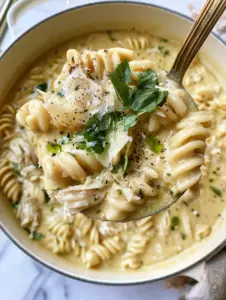
Wavy Mafaldine Pasta: 16 oz (454g). Also known as Reginette, these long, flat ribbons with ruffled edges are essential. The “waves” create pockets that hold the thick sauce, ensuring no bite is left dry.
Yellow Onions: 4 large (approx. 2 lbs / 900g). When sliced into thin slivers and cooked “low and slow,” they lose their pungency and become the dark, jammy base of our dish. They provide the mahogany color seen in the visual blueprint.
Aged Gruyère Cheese: 1.5 cups (150g), shredded. Gruyère is the traditional choice for its nutty profile and superior melting capabilities. It creates those translucent cheese pulls and “streaks” that define the dish’s texture.
Balsamic Vinegar & Glaze: 2 tbsp (30ml) vinegar for deglazing and a finishing drizzle of glaze. The vinegar cuts through the richness of the cream, while the glaze adds that final glossy sheen and artistic dark drizzle.
Heavy Cream: 1 cup (240ml). This is the foundation of our velvety, cream-colored sauce. It emulsifies with the pasta water to create a coating that sticks to the mafaldine ribbons.
Fresh Thyme: 4-5 sprigs. The earthy, slightly minty notes of thyme are the perfect aromatic companion to caramelized onions. We use both cooked leaves and fresh sprigs for garnish.
Beef or Vegetable Stock: 1/2 cup (120ml). Used to deglaze the pan, this liquid picks up the “fond” (browned bits) from the bottom of your stainless-steel-pot, infusing the sauce with concentrated savory notes.
Essential Equipment for a Flawless Result
You don’t need a professional kitchen, but having the right tools ensures your onions caramelize rather than steam. A wide, heavy-bottomed skillet or a high-quality stainless-steel-pot is non-negotiable for heat distribution.
You will also need a sharp chef’s knife to create those uniform onion slivers. Consistent thickness ensures all the onions reach that “jammy” mahogany state at the same time, preventing some from burning while others remain translucent.
Lastly, a sturdy pair of tongs is vital for tossing the mafaldine in the sauce. Unlike a spoon, tongs allow you to lift and swirl the long ribbons, ensuring the Gruyère streaks are evenly distributed without breaking the delicate ruffled edges of the pasta.
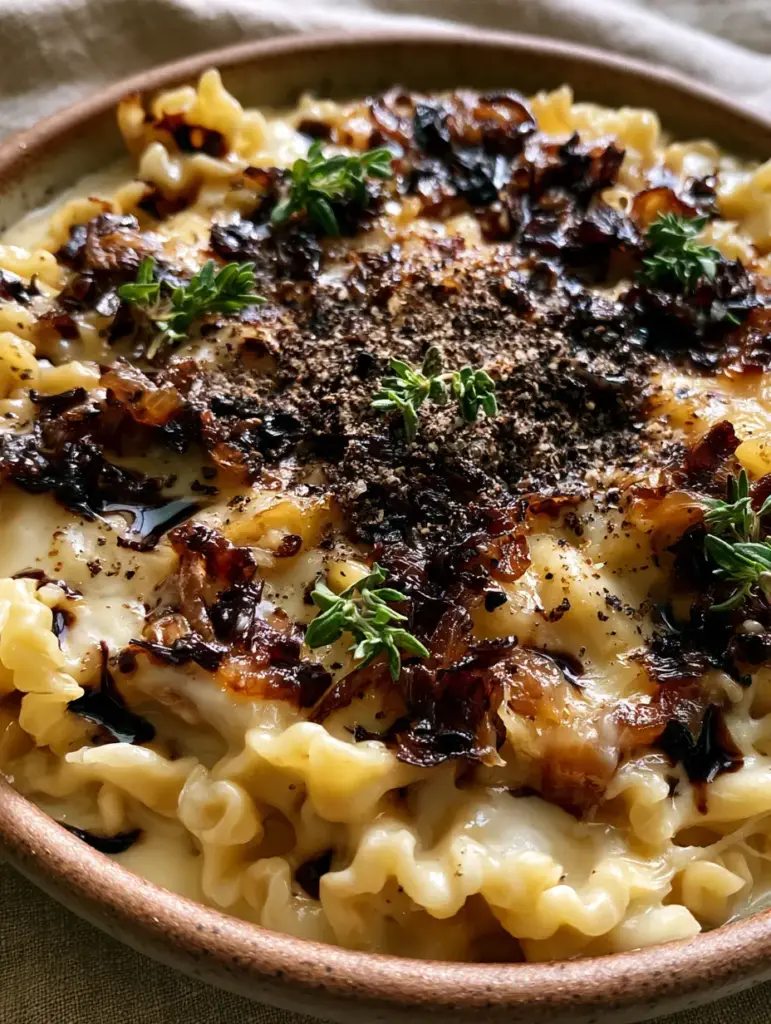
Step-by-Step: Crafting the Perfect Jammy Onion Base
Achieving the Mahogany Caramelization
Heat 2 tbsp (30g) of butter and 1 tbsp (15ml) of olive oil in your pan over medium-low heat. Add your sliced onion slivers with a generous pinch of salt. The salt is crucial as it draws out moisture, helping the onions break down into a jammy consistency.
Cook the onions for 45 to 55 minutes, stirring every few minutes. You are looking for a specific sensory cue: the onions should change from translucent to golden, and finally to a deep, dark mahogany. If they start to stick too much, add a teaspoon of water to release the sugars.
Deglazing and Building the Sauce Base
Once the onions are jammy, increase the heat to medium. Pour in the balsamic vinegar and stock. Use a wooden spoon to scrape up all the browned bits—this is where the deep flavor lives. Let the liquid reduce by half until it coats the onions in a glossy, dark syrup.
Lower the heat and pour in the heavy cream. Stir gently until the cream incorporates with the balsamic onions, turning into a thick, velvety cream-colored sauce. The visual contrast here is beautiful as the dark onions swirl into the pale cream.
Cooking the Mafaldine Ribbons
While the sauce simmers, boil a large pot of salted water. Cook the mafaldine until it is just shy of al dente. This is a critical quick-recipes tip: the pasta will finish cooking in the sauce, absorbing the cream rather than just being coated by it.
Before draining, reserve 1 cup (240ml) of starchy pasta water. This “liquid gold” is the secret to a professional emulsion. It helps the fats in the cream and cheese bind to the starch in the pasta ribbons.
The Final Emulsion and Cheese Incorporation
Add the cooked pasta directly into the onion sauce. Sprinkle in the shredded Gruyère cheese and a splash of pasta water. Toss vigorously with tongs. Look for the “translucent cheese pulls” to form as the Gruyère melts into streaks throughout the ribbons.
Continue tossing for 1-2 minutes over low heat. The sauce should thicken until it clings perfectly to the wavy edges of the pasta. If it looks too thick, add a bit more pasta water until the texture is velvety and glossy.
Expert Tips for Success
- Patience is the Main Ingredient: You cannot rush caramelization. If you turn the heat too high, the onions will char and turn bitter. Low and slow is the only way to get that French onion soup depth.
- The Gruyère Secret: Always grate your cheese from a block. Pre-shredded cheeses are coated in potato starch to prevent clumping, which will make your pasta sauce grainy rather than smooth.
- Balance the Acidity: If your sauce feels too “heavy,” add an extra teaspoon of balsamic vinegar at the very end. The acidity brightens the dish and highlights the sweetness of the onions.
- Don’t Oversalt: Gruyère and pasta water are naturally salty. Taste the sauce after adding the cheese before deciding if you need more sea salt.
Storage, Reheating, and Freezing Advice
This Caramelized Onion Pasta is best enjoyed immediately while the Gruyère is stretchy and the sauce is fluid. However, if you have leftovers, store them in an airtight container in the refrigerator for up to 3 days.
To reheat, do not use the microwave if possible, as it can cause the cream sauce to “split” or become oily. Instead, place the pasta in a small skillet with a splash of milk or water. Heat over low, tossing gently until the sauce becomes creamy again.
We do not recommend freezing this dish. The texture of the wavy mafaldine and the delicate cream emulsion do not hold up well to the freezing and thawing process, often resulting in mushy pasta and a broken sauce.
What to Serve With This Decadent Pasta
Because this dish is incredibly rich and savory, it pairs beautifully with light, acidic sides. A crisp green salad with a lemon vinaigrette is the perfect palate cleanser. If you’re looking for something with a bit more zing, a side of pico-de-gallo can surprisingly balance the earthy tones with its fresh acidity.
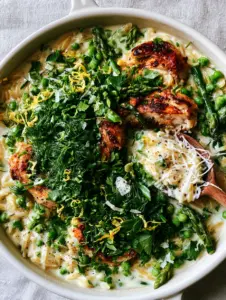
During the warmer months, this fits perfectly into a summer-pasta-recipes rotation if served with grilled asparagus. For a full winter feast, consider starting with a light broth from our fall-soups-and-stews collection to prime the appetite for the richness of the Gruyère and cream.
Frequently Asked Questions
While mafaldine’s wavy edges are best for trapping the sauce, you can use pappardelle or fettuccine. Avoid thin pastas like angel hair, which will get lost in the thick, jammy sauce.
Yellow onions have a higher sugar content and are ideal for caramelization. White onions are more pungent and won’t get quite as jammy or sweet, though they will still work in a pinch.
Absolutely! Simply use a high-quality vegetable stock to deglaze the pan instead of beef stock. The balsamic vinegar and onions provide enough depth to keep it incredibly savory.
This usually happens if the heat is too high when adding the cream or cheese. Always add cream over low heat and toss the cheese in quickly with a splash of pasta water to emulsify the fats.
Caramelization takes time, usually 45-55 minutes. If they are just pale gold, continue cooking on low-medium heat. Ensure you used enough fat (butter/oil) and a pinch of salt to help the breakdown process.
The Final Caramelized Onion Pasta Recipe
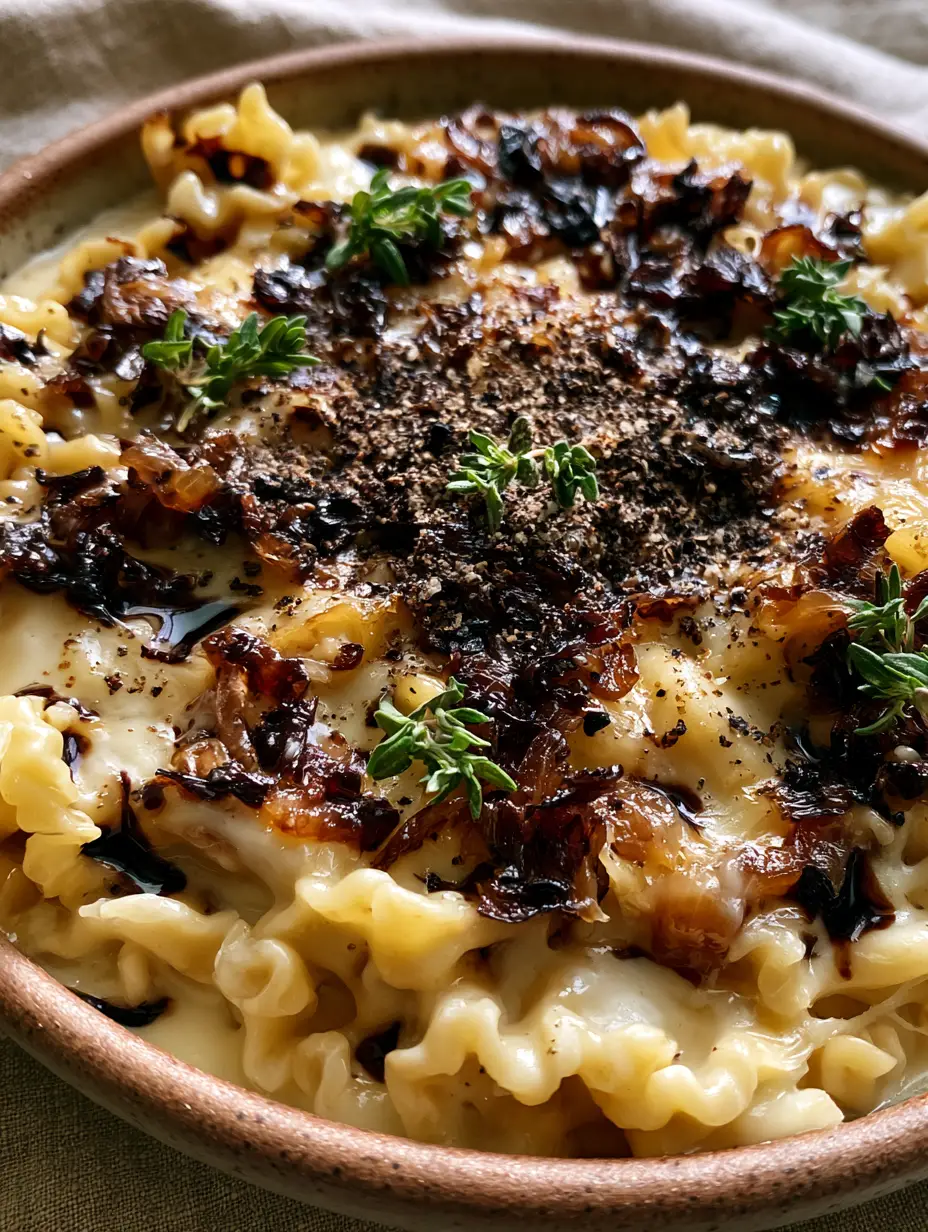
Caramelized Onion Pasta: The Ultimate Creamy French Onion Inspired Comfort
Ingredients
Equipment
Method
- In a large skillet over medium-low heat, melt butter and oil. Add onion slivers and a pinch of salt. Cook, stirring occasionally, for 45-55 minutes until onions are a deep mahogany brown and jammy in texture.
- Add balsamic vinegar and stock to the pan. Scrape the bottom to release the fond. Simmer for 3-5 minutes until the liquid is syrupy.
- Cook mafaldine in salted water until just before al dente. Reserve 1 cup of pasta water before draining.
- Reduce skillet heat to low. Stir in heavy cream and thyme leaves. Simmer for 2 minutes until a velvety cream-colored sauce forms.
- Add pasta and shredded Gruyère to the skillet. Toss with tongs, adding pasta water as needed to create translucent cheese pulls and a glossy coating.
- Plate the pasta and garnish with a drizzle of balsamic glaze, extra fresh thyme clusters, and a heavy crack of coarse black pepper.
Notes
Always grate your Gruyère from a block for the best cheese pulls.
Closing & Call to Action
There is something truly magical about the transformation of simple onions into the star of a gourmet meal. This Caramelized Onion Pasta proves that with a little patience and the right techniques, you can create a restaurant-quality experience in your own home. The combination of jammy balsamic onions, velvety cream, and the structural beauty of mafaldine ribbons is a winner every time.
If you made this recipe and loved those Gruyère cheese pulls, we want to hear about it! Leave a comment below and tell us how your caramelization turned out. Don’t forget to follow us on Pinterest for more visual recipe inspiration and share your creations using #KellyBites.