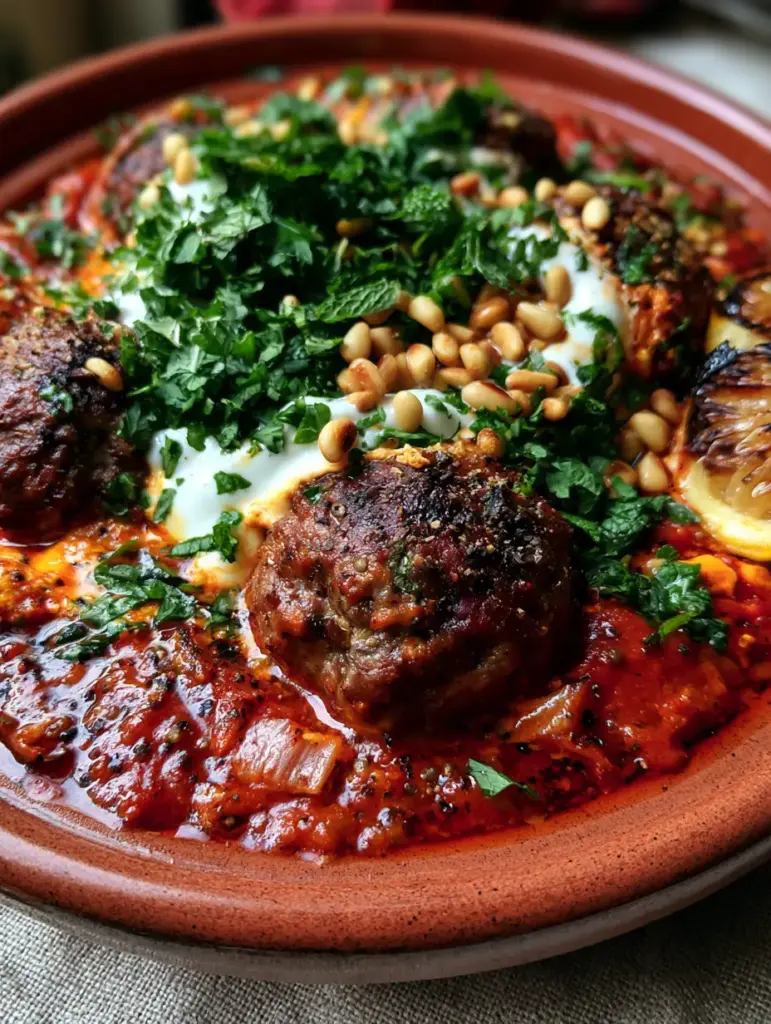
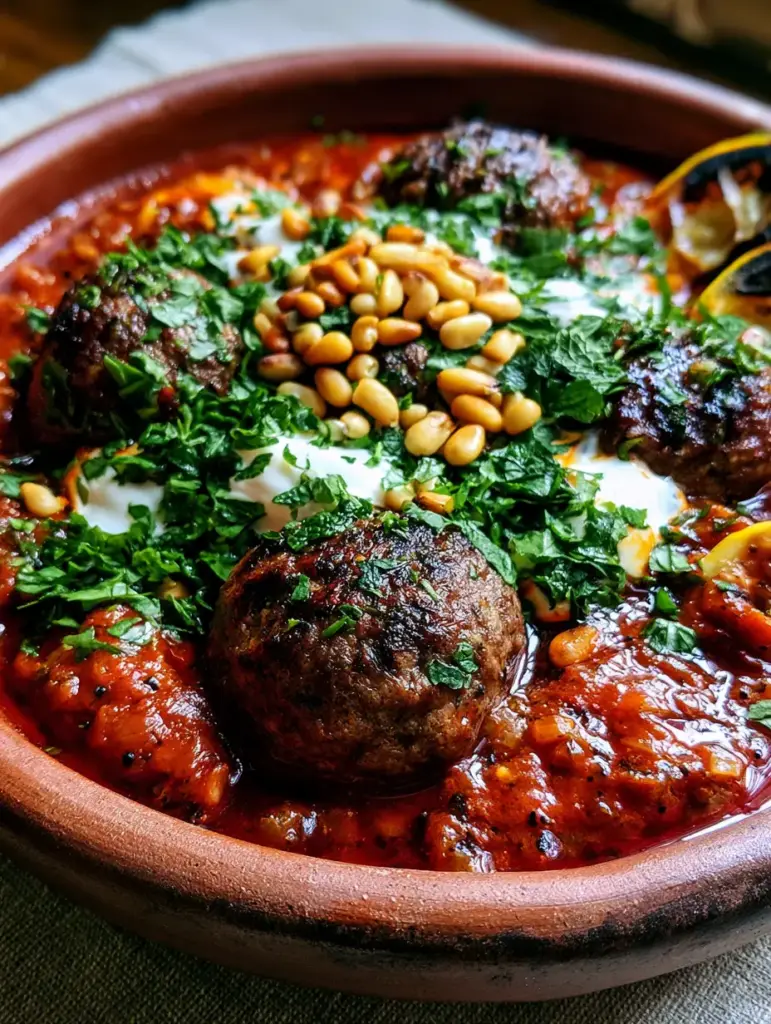
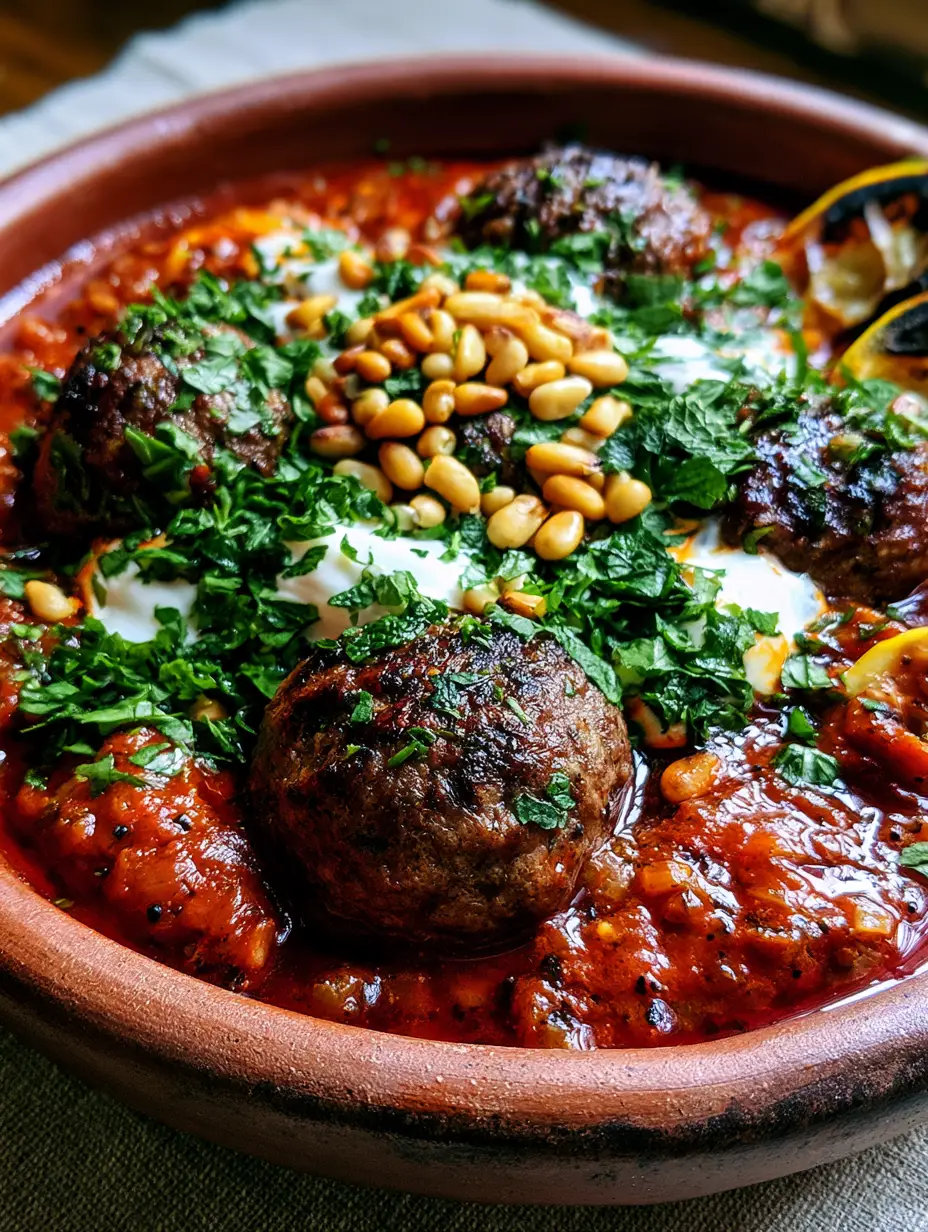
There is a specific kind of culinary magic that happens when a rustic terracotta pot hits the center of a wooden table. These Moroccan meatballs, known traditionally as Kefta, are more than just a meal; they are a sensory experience captured in a single simmering vessel. Imagine juicy, spice-flecked spheres of beef, seared until deep mahogany char marks form on their surface, nestled in a vibrant deep-red harissa tomato sauce that bubbles with intensity.
When you prepare these Moroccan meatballs, you aren’t just following a recipe—you are mastering the balance of North African heat and Mediterranean freshness. The visual of the thick sauce glistening under soft daylight, punctuated by bright dollops of Greek yogurt and a heavy scattering of fresh herbs, is enough to stop any diner in their tracks. Whether you are a fan of bold flavors or looking to expand your repertoire of cozy fall soups and stews, this dish delivers on every promise of professional-grade home cooking.
The Irresistible Allure of Authentic Kefta Meatballs
What makes these Moroccan meatballs stand out from your average weeknight dinner is the complex layering of textures and temperatures. We have meticulously designed this recipe to ensure that every visual element from our kitchen matches the gourmet results you see in our photography. You can expect a professional finish characterized by several key factors.
- The Perfect Sear: Using a high-heat technique to achieve those signature subtle char marks that lock in moisture.
- Aromatic Depth: A thick, simmering sauce infused with authentic harissa paste, sautéed diced onions, and toasted cumin.
- Textural Contrast: The crunch of toasted golden pine nuts against the creamy, velvet-smooth dollops of Greek yogurt.
- Zesty Accents: Side-charred lemon slices that provide a bright, smoky acidity to cut through the richness of the beef.
- Fresh Herb Finish: A lavish amount of hand-chopped cilantro and mint that provides a cooling aromatic lift.
The Anatomy of Flavor: Essential Ingredients for Moroccan Meatballs
To achieve the “glisten” and “deep-red” vibrancy required for this dish, your ingredient selection is paramount. We focus on high-quality proteins and specific spice ratios that mimic the complex profiles found in plant-based Moroccan stews. Each component here serves a structural or visual purpose in the final terracotta presentation.
80/20 Ground Beef (450g / 1 lb): We recommend a slightly higher fat content to ensure the meatballs remain “juicy” and “tender” even after searing. The fat renders into the sauce, creating that beautiful sheen you see in the light.
Harissa Paste (60ml / 4 tbsp): This is the soul of the sauce, providing the “vibrant deep-red” color and a smoky, chili-forward heat. Depending on the brand, harissa can range from mild to incendiary, so adjust to your preference.
Crushed Tomatoes (400g / 14 oz): Use a high-quality brand of canned crushed tomatoes to provide the thick, saucy base that allows the meatballs to be “half-submerged.”
Greek Yogurt (120ml / 1/2 cup): Full-fat Greek yogurt is essential for those “creamy white dollops” that provide a visual and cooling contrast to the spicy harissa.
Toasted Pine Nuts (30g / 1/4 cup): These “golden pine nuts” add an earthy crunch and a touch of luxury to the final plating. Do not skip the toasting step, as it activates the essential oils.
Fresh Mint and Cilantro (1 bunch each): These “bright green” herbs must be fresh, never dried, to achieve the aromatic steam wisps and vibrant color palette described in our visual blueprint.
Lemons (2 whole): One is for the juice inside the meatballs, and the other is for the “charred lemon slices” that sit on the side, providing a smoky citrus note.
Professional Tools for the Perfect Tagine Experience
While a rustic terracotta pot is the traditional vessel for Moroccan meatballs, you can achieve similar thermal properties with modern cookware. If you don’t have a tagine, a heavy-bottomed stainless steel pot or a cast-iron skillet will work perfectly to hold and distribute heat evenly.
You will also need a fine-mesh strainer for rinsing your herbs, a sturdy whisk for smoothing the yogurt, and a reliable tongs set for turning the meatballs without breaking the delicate sear. Ensuring your equipment is preheated is the secret to getting those “subtle char marks” without overcooking the interior of the beef.
Step-by-Step: Crafting the Ultimate Moroccan Meatballs
Developing the Spice Base and Meatball Texture
In a large mixing bowl, combine the ground beef with finely grated onion, minced garlic, cumin, coriander, and a pinch of cinnamon. The key to “juicy” Moroccan meatballs is to mix the ingredients by hand until just combined; overworking the meat will lead to a rubbery texture. Once mixed, roll them into 1.5-inch spheres, ensuring the surface is smooth to promote even browning.
Achieving the Signature Sear and Char
Heat a tablespoon of high-smoke-point oil in your pot over medium-high heat. Place the meatballs in the pan, leaving space between each one to prevent steaming. Let them sit undisturbed for 2-3 minutes until a deep-brown crust forms. This is the “Maillard reaction” in action, creating the savory depth required for elite-level Moroccan meatballs. Turn them carefully to char all sides before removing them to a plate.
Building the Vibrant Harissa Tomato Sauce
In the same pot, sauté your diced onions until they are translucent and have picked up the browned bits (fond) from the meatballs. Stir in the harissa paste and toasted spices, letting them bloom in the oil for 60 seconds. Pour in the crushed tomatoes and a splash of water. Reduce the heat and let the sauce simmer until it becomes “thick and vibrant,” with visible flecks of black pepper and onion.
The Final Simmer and Charred Lemon Technique
Nestle the seared meatballs back into the simmering sauce until they are “half-submerged.” While they finish cooking, place your lemon slices directly onto a hot dry skillet or over an open flame until the edges are blackened and the flesh is caramelized. This “charred lemon” addition is a classic culinary forensic detail that elevates the dish from simple to sophisticated.
Expert Tips for a Flawless Moroccan Feast
- Temperature Control: If the harissa sauce is splattering, your heat is too high; look for a “gentle simmer” where small bubbles break the surface.
- Pine Nut Precision: Pine nuts go from golden to burnt in seconds; toast them in a dry pan over medium heat and remove them the moment you smell a nutty aroma.
- Yogurt Consistency: If your Greek yogurt is too thick to dollop, whisk in a teaspoon of water or lemon juice to achieve a “creamy, pourable” consistency.
- Herb Preservation: Chop your mint and cilantro at the very last second to prevent bruising and ensure that “bright green” pop against the red sauce.
Storage, Reheating, and Make-Ahead Advice
These Moroccan meatballs actually taste better the next day as the spices have more time to meld into the beef. Store leftovers in an airtight container in the refrigerator for up to 3 days. To reheat, place them in a small saucepan with a tablespoon of water, cover, and heat over low until the sauce is bubbling and the meatballs are heated through. Avoid the microwave if possible, as it can toughen the meat.
If you want to freeze this dish, freeze the meatballs and sauce together, but wait to add the yogurt, pine nuts, and fresh herbs until you are ready to serve. This ensures the textures remain as intended in our visual recipe blueprint.
What to Serve with Moroccan Meatballs
To round out this meal, you need side dishes that can soak up the rich harissa sauce. While traditional couscous is the standard pairing, these meatballs also pair beautifully with a side of fresh tomato-based garnishes for extra acidity. If you are looking for more “set it and forget it” options, consider checking out our collection of quick weeknight recipes for inspiration.
For a complete Mediterranean spread, serve these alongside warm pita bread or even a light pasta. The flavor profile is surprisingly versatile, much like a classic carbonara in its ability to satisfy deep savory cravings with just a few high-quality ingredients.
Frequently Asked Questions About Kefta
Yes! A heavy-bottomed stainless steel pot or a cast-iron skillet provides excellent heat retention and will produce the same high-quality results.
Absolutely. Lamb is traditional in many Moroccan regions and adds a distinct, gamy richness that pairs beautifully with the harissa and mint.
Harissa varies by brand. Start with 2 tablespoons and taste as the sauce simmers; you can always add more to increase the ‘vibrant red’ heat.
Use ground beef with at least a 20% fat content and avoid overworking the meat. Hand-mixing ensures the meatballs stay tender rather than dense.
Charring the lemons caramelizes the natural sugars and adds a smoky depth that balances the spicy harissa and rich beef perfectly.
The Final Moroccan Meatballs Recipe Card
Moroccan Meatballs with Spicy Harissa Tomato Sauce and Toasted Pine Nuts
Ingredients
Equipment
Method
- Combine ground beef, grated onion, garlic, and spices in a bowl. Gently mix by hand.
- Roll into 1.5-inch meatballs, ensuring a smooth surface for searing.
- In a heavy pot, sear meatballs until subtle char marks appear. Remove and set aside.
- Sauté onions, add harissa and tomatoes. Simmer until the sauce is thick and vibrant deep-red.
- Nestle meatballs back into the sauce. Simmer for 10-15 minutes until cooked through.
- Place lemon slices on a hot skillet until charred on the edges.
- Top with yogurt dollops, toasted pine nuts, and a heavy scattering of fresh herbs.
Notes
Don't crowd the pan during searing to ensure char marks.
Bring the Flavors of Morocco Home
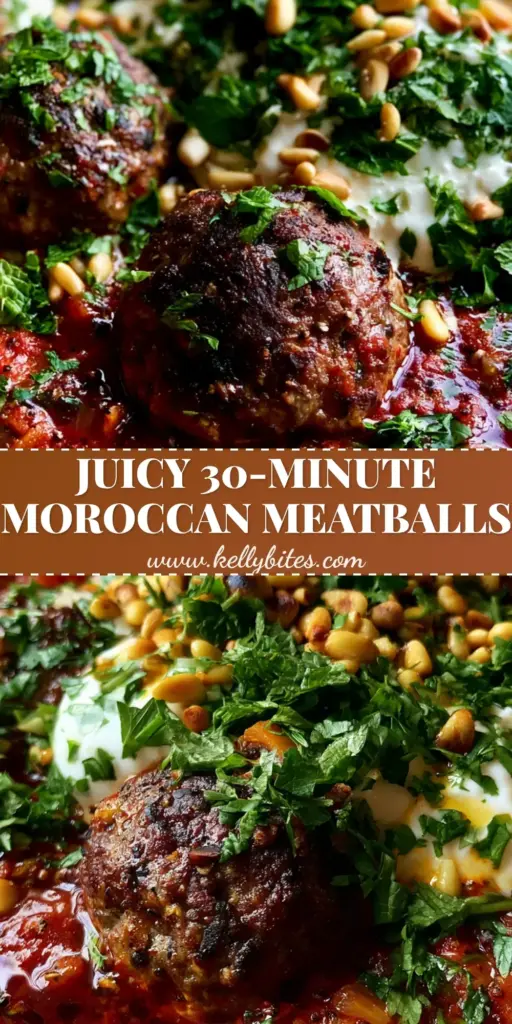
Creating these Moroccan meatballs is an exercise in layering bold flavors and striking visuals. From the “wisps of steam” rising off the terracotta pot to the crunch of the “toasted golden pine nuts,” every element is designed to impress. We hope this recipe becomes a staple in your kitchen, offering a spicy, warming escape any night of the week.
If you enjoyed this culinary journey, please leave a comment below and let us know how your harissa sauce turned out! Don’t forget to sign up for our newsletter for more professional recipe developments and share your creations with us on Pinterest.